
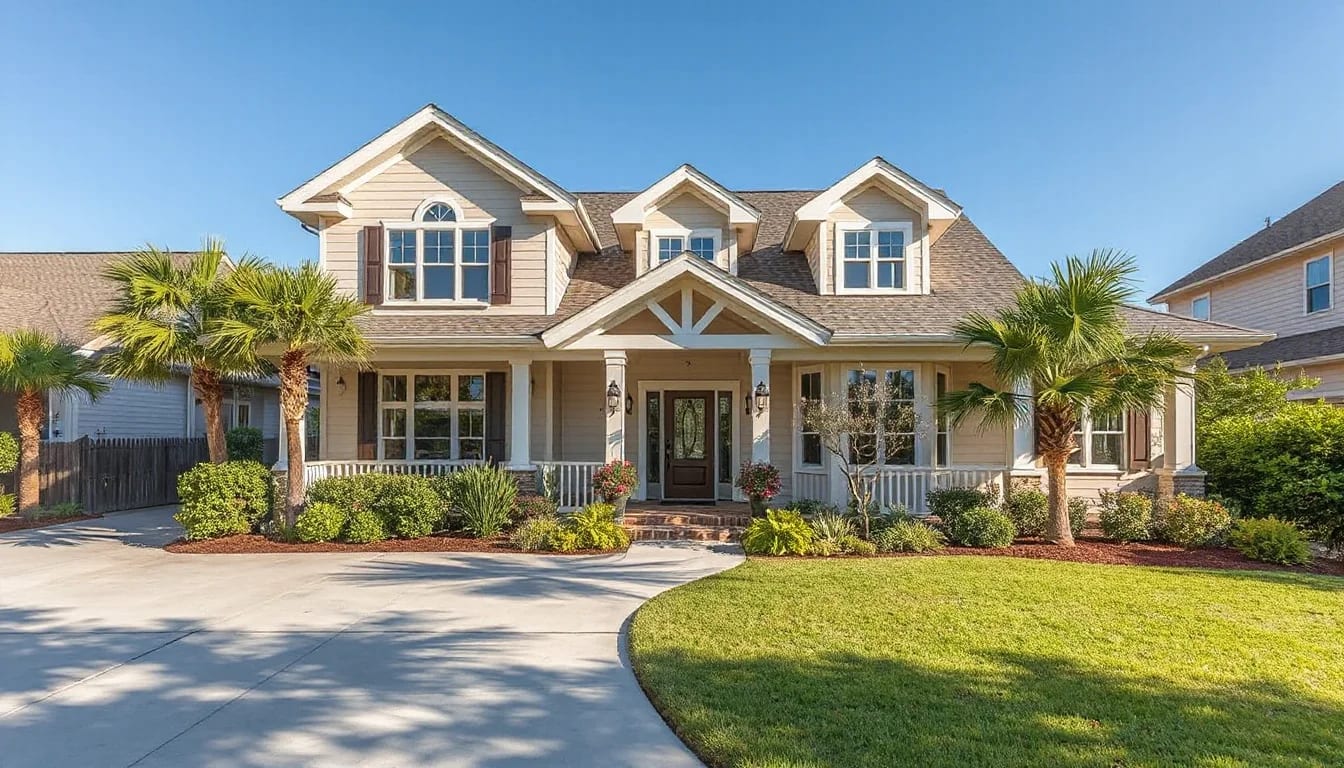
A vacation home on 30A can offer more than a coastal escape, but the return depends on a careful read of purchase costs, carrying expenses, seasonality, and local rental demand. Buyers who understand revenue patterns, insurance, management fees, and location-specific appeal are better positioned to evaluate whether a property works as a lifestyle purchase, an income property, or both. This guide breaks down the moving pieces so you can compare opportunity with real-world numbers instead of assumptions.
Why 30A Draws Vacation-Home Buyers
Stretching along a scenic corridor of Northwest Florida’s Gulf Coast, 30A has built a reputation around beach access, planned communities, biking paths, coastal dune lakes, and a mix of cottages, condos, and larger luxury homes. That broad housing mix matters for return on investment because it creates several possible entry points. One buyer may be comparing a lower-maintenance condo near public beach access, while another is analyzing a larger home with a private pool and stronger peak-season booking potential.

Demand is often supported by repeat visitors who return for the beach, walkable town centers, outdoor recreation, and a calendar filled with seasonal travel peaks. In practical terms, that can translate into premium pricing during high-demand periods, especially for well-located homes with attractive outdoor space, updated interiors, and easy access to the shoreline or community amenities. Still, high visibility and strong visitor traffic do not automatically mean every property produces the same results.
Micro-location matters. Homes in one part of 30A may appeal differently from those in another based on beach access, parking, proximity to dining and recreation, community design, and overall ease of use for guests. The same purchase price in two different submarkets can lead to very different occupancy trends and maintenance needs.
On 30A, rental performance often changes more from block-to-block location and amenity package than from bedroom count alone. A smaller property with excellent beach access can sometimes outperform a larger home in a less convenient spot.
The Cost Side of the ROI Equation
Purchase price is only the starting line. To understand vacation-home ROI, buyers should build a full annual cost picture that includes property taxes, homeowners insurance, flood or wind coverage where applicable, HOA dues, utilities, internet, furnishing, maintenance, cleaning coordination, and reserves for repairs and replacement items. In coastal markets, insurance and weather-related upkeep can have a meaningful impact on net income, especially for older homes or properties with more exterior exposure.
Financing structure also shapes returns. Interest rate, down payment, and loan type all affect monthly carrying cost and cash flow. A property that appears profitable with a large down payment may look very different when financed more aggressively. That is why many buyers review both a cash-on-cash scenario and a long-term appreciation scenario before deciding whether a property fits their goals.
Management is another major line item. Some owners plan to self-manage, but many use professional vacation-rental managers for guest communication, pricing, scheduling, inspections, and turnover coordination. That convenience can preserve time and improve consistency, yet it needs to be accounted for honestly. A reliable pro forma should include management fees and realistic turnover costs rather than assuming maximum revenue with minimal overhead.
Furnishing deserves more attention than it usually gets. Vacation homes compete heavily on presentation, comfort, and durability. Initial setup may include furniture, linens, kitchen equipment, window treatments, décor, and outdoor seating. Over time, replacement cycles become part of ownership economics. A beautiful listing can attract stronger rates, but maintaining that standard requires ongoing investment.
How Rental Demand Typically Works
Most 30A vacation rentals do not earn evenly throughout the year. Revenue is often concentrated in spring break periods, summer, and selected holiday windows, with shoulder seasons offering a different blend of occupancy and nightly rate strategy. Some properties do well by maximizing premium weeks, while others benefit from broader calendar appeal through flexible stays, updated amenities, and strong off-season positioning.
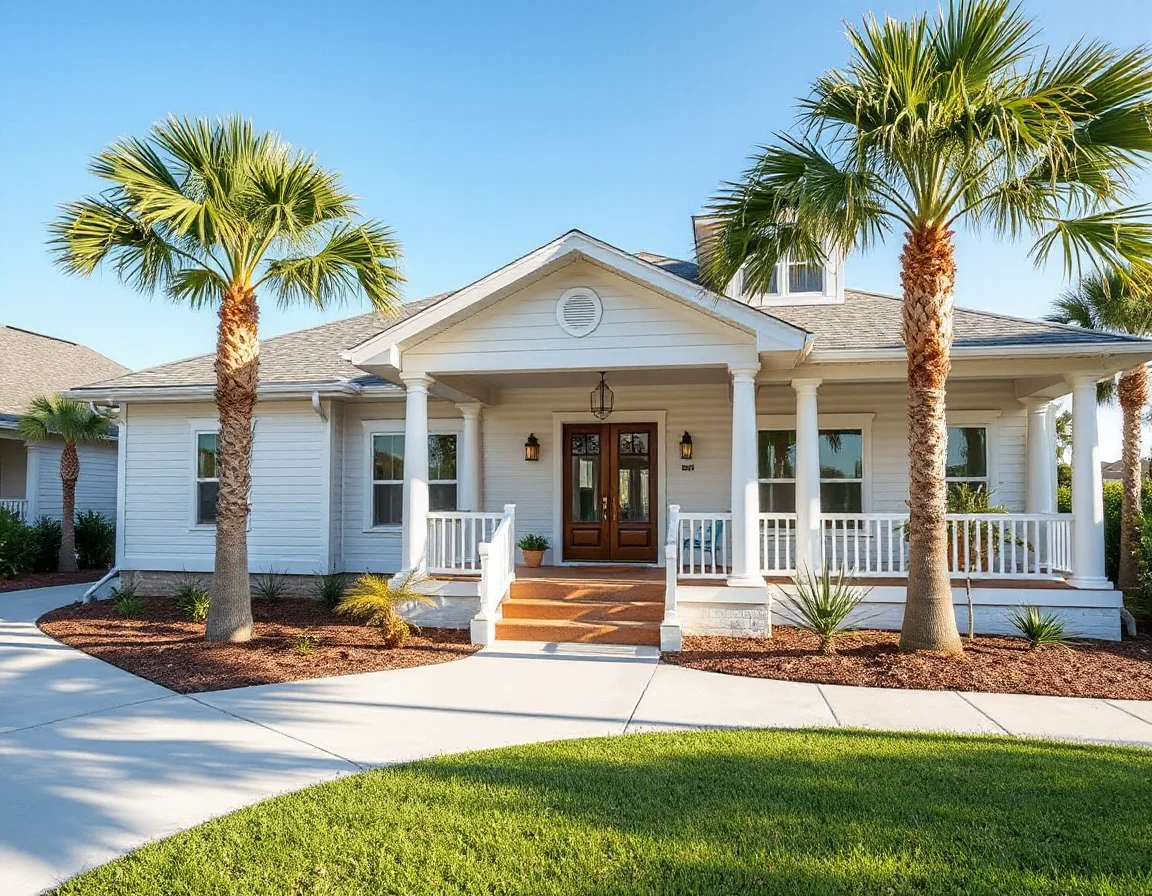
Buyers evaluating potential income should focus on comparables that genuinely match the subject property. A newer home with a pool, multiple suites, and golf cart parking should not be benchmarked against a basic condo, and a home several blocks from the beach may not command the same rates as one with easier access. Comparable rental performance should reflect location, condition, amenity level, guest capacity, and booking restrictions.
Photos, layout, and usability also influence demand more than many first-time investors expect. Open living areas, easy parking, practical storage for beach gear, outdoor showers, bunk rooms, and updated kitchens can all affect guest appeal. Even subtle design decisions can shape booking strength because vacation renters compare many listings side by side and often decide quickly.
It also helps to think beyond top-line revenue. Occupancy is only one metric. A property with slightly lower occupancy but stronger nightly rates and fewer wear-and-tear issues may produce a better net result than one that stays booked constantly at discounted pricing. The most useful question is not “Will it rent?” but “What does it likely net after typical annual expenses?”
The best underwriting usually tests three scenarios: conservative, expected, and strong. If the property only works in the strongest case, the risk profile may be higher than it first appears.
Features That Can Influence Income Potential
On 30A, guest demand often follows convenience and experience. Homes with straightforward beach access, attractive outdoor living areas, updated baths, durable flooring, and fresh coastal design tend to stand out. For larger homes, sleeping flexibility and private outdoor amenities can matter. For condos, ease of arrival, elevator access, parking, and proximity to community amenities may shape guest reviews and repeat stays.
Condition is especially important in a competitive rental environment. Deferred maintenance can hurt booking pace, guest satisfaction, and long-term ownership costs. Buyers should look closely at roofs, HVAC systems, exterior finishes, windows, balconies, and moisture exposure. A lower purchase price may not be a bargain if near-term repairs offset the discount and disrupt rental readiness.
Community rules are just as important as the physical property. Before buying, review any HOA restrictions, local regulations, parking limitations, and rental policies. These details can affect length-of-stay rules, amenity access, signage, trash handling, and overall operational flexibility. A strong-looking property can become less attractive as an investment if its usage rules are narrower than expected.
Balancing Lifestyle Value With Financial Return
Not every 30A purchase needs to be judged as a pure investment. For many buyers, the real value sits at the intersection of personal use, long-term appreciation potential, and supplemental rental income. A home that offsets carrying costs while also delivering regular time on the coast may still be a success, even if it does not produce the same yield as a purely numbers-driven acquisition in another market.

That said, clarity matters. Buyers should decide early whether their priority is maximizing revenue, minimizing maintenance, preserving flexibility for personal use, or targeting long-term appreciation in a high-demand coastal corridor. Those goals can point to very different property types. The strongest decision usually comes from matching the property to the ownership plan rather than trying to force one home to do everything equally well.
Working with local market insight can help narrow the gap between online optimism and on-the-ground reality. Pricing trends, insurance expectations, true comparable demand, and neighborhood-level differences are difficult to gauge from listing photos alone. A disciplined review of both costs and income potential gives buyers a more reliable way to judge whether a specific 30A home fits their financial goals.
In the end, 30A vacation-home ROI is rarely about one headline number. It is about understanding seasonality, expenses, condition, location, and how the property will actually be used over time. Buyers who approach the decision with a detailed plan are more likely to find a home that works not just on paper, but in day-to-day ownership as well.